-Photoroom(1.png)
The Hidden Risks of New EV 2-Wheeler Brands: Lessons from the Torq Motors Collapse
- Apr 23
- 4 min read
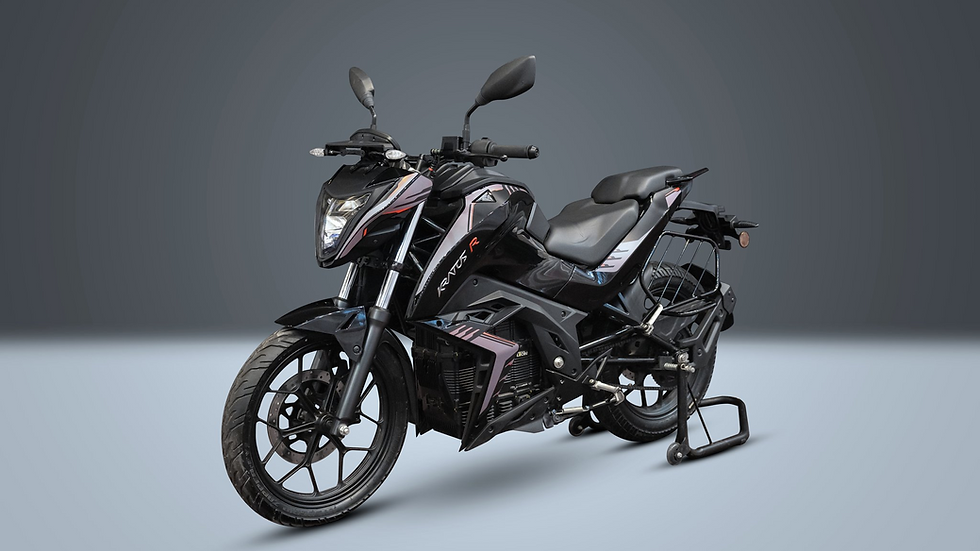
The electric two-wheeler revolution has brought a wave of innovation, sleek designs, and aggressive pricing. Across showrooms, new brands are promising cutting-edge technology, lower running costs, and a greener future. For potential buyers, the temptation to back an exciting new startup is real—especially when the specifications and price tags seem too good to pass up.
However, beneath the glossy marketing and attractive introductory offers lies a sobering reality. The recent downfall of Torq Motors—once a promising name in the EV space—serves as a critical case study. For buyers considering an emerging EV brand, understanding the risks is not just prudent; it is essential for financial and logistical survival.
The Torq Motors Precedent: A Cautionary Tale
Torq Motors, like many EV startups, entered the market with fanfare. They showcased impressive range figures, modern connectivity features, and competitive pricing. Yet within a short span, the company faced insurmountable operational, financial, and supply chain challenges. When the doors closed, what remained was not just a failed business—but thousands of stranded customers.
Overnight, owners of Torq vehicles found themselves holding expensive, non-functional assets. Service centers went silent. Spare parts became unobtainable. Battery warranties turned into worthless pieces of paper. This is not an isolated incident. It is a warning flag for an industry still finding its footing.
The Core Risks of Buying from New, Unproven EV Brands
Before signing on the dotted line for that flashy new electric scooter or motorcycle from a startup, buyers must weigh the following risks:
1. The Warranty Mirage
Every new EV brand offers a compelling warranty—often 3 to 5 years on the battery and motor. But a warranty is only as reliable as the company backing it. If the manufacturer ceases operations, your warranty becomes a document with no enforcement mechanism. No third-party garage will honor a defunct brand’s battery replacement promise.
2. Proprietary Parts and Software Lock-In
Unlike conventional petrol two-wheelers, where many mechanical parts are standardized, EVs often rely on proprietary battery management systems, controllers, and custom firmware. When Torq Motors collapsed, independent mechanics could not simply “source a generic part.” The vehicle’s brain was proprietary. If your new brand disappears, your vehicle may become an unrepairable brick.
3. The Battery Liability Trap
The battery represents 40-50% of an EV’s value. New brands often source cells from second-tier suppliers to keep costs down. If the brand folds, there is no one to honor degradation claims, no one to perform cell balancing, and no one to replace a failing pack. A new battery from a third party may cost nearly as much as the original vehicle.
4. Service Network Collapse
New brands typically operate on thin margins, relying on franchise-owned service centers. When financial distress hits, these centers are often the first to close. Owners have reported driving hours to find a functional Torq service point—only to find a locked gate. For a new brand today, ask yourself: If they close 80% of their centers next year, can I still get a basic part change or brake pad replacement?
5. Resale Value Evaporation
A used EV from a defunct brand is essentially worthless. Unlike a Honda or TVS petrol scooter that retains some value even after a decade, an orphaned EV has no parts support, no software updates, and no trust. What you paid ₹1.2 lakh for may become scrap metal worth ₹5,000 within two years if the brand fails.
What Actually Happens When an EV Brand Ends Like Torq Motors?
Let’s paint a realistic picture based on documented post-collapse scenarios:
No spare parts availability – Even simple items like chargers, contactors, or body panels become impossible to find.
Battery failure becomes permanent – When the BMS (Battery Management System) fails or cells become unbalanced, no third-party repairer will touch it due to safety and firmware restrictions.
Digital features stop working – App-based unlock, GPS tracking, and ride analytics rely on the brand’s cloud servers. Once those servers are shut down, those features are gone forever.
No recall or safety fixes – If a latent defect emerges (e.g., battery fire risk or brake failure), there is no company to issue a recall. You bear the full liability.
Legal recourse is largely futile – Small claims against a bankrupt entity yield little to nothing. Creditors (banks, suppliers) are paid first. Customers are last in line.
A Professional Buyer’s Checklist: How to Protect Yourself
If you are still inclined to purchase from a newer EV brand, apply rigorous due diligence:
Look beyond the spec sheet. Investigate the company’s funding history, promoter background, and manufacturing partnerships. Brands backed by tier-1 venture capital or automotive conglomerates are statistically safer.
Verify service infrastructure physically. Visit three different service centers in your city. Speak to technicians. Ask if spare parts are stocked locally or shipped on demand.
Demand clarity on battery cell sourcing. Who makes the cells? Is it an A-grade supplier like LG, Samsung, or a Chinese tier-1? Avoid brands that cannot disclose their cell supplier transparently.
Check for OTA update commitments. Brands that cannot deliver over-the-air software updates likely lack the engineering depth to survive long-term.
Read the fine print on warranties. Does the warranty require the company to remain in business? Are there clauses about “force majeure” or “cessation of operations”? Some warranties become void if the manufacturer ceases trading.
Consider total cost of ownership with failure risk. Mentally discount the vehicle’s value by 50% over two years. Can you afford that loss? If not, stick with an established OEM that has proven parts and service longevity.
The Wise Path Forward
The EV revolution is real and necessary. But early adoption of unproven brands carries asymmetric risk. The potential savings of ₹20,000–30,000 on purchase price are dwarfed by the potential loss of the entire vehicle’s value—plus the headache of an unusable asset.
Established manufacturers (Bajaj, TVS, Ather, Hero) are not immune to challenges, but they have demonstrated service networks, listed parent companies, and a much lower probability of sudden disappearance. For first-time EV buyers or those on a tight budget, the safer financial decision is often to pay a slight premium for a brand with a track record.
Torq Motors was not the first, and it will not be the last. Before you hand over your hard-earned money to a new name with a flashy Instagram campaign, ask one simple question:
“If this company disappears tomorrow, who fixes my bike?”
If you cannot answer that with certainty, walk away.
Disclaimer: This article is for informational purposes only and does not constitute financial or legal advice. Always conduct independent research before making a purchase decision.


